


From assumptions to data-driven control at CLOVA
22nd Apr 2026Clova processes large volumes of linen and workwear for healthcare institutions on a daily basis. An operation where timing and reliability are crucial.
Yet one essential element was missing: visibility.
Inventory positions were unclear, KPIs provided little guidance and planning was largely based on assumptions. What worked on paper often did not match reality in practice.
The question quickly became unavoidable: how do you manage a complex operation if you are not confident in your own data?
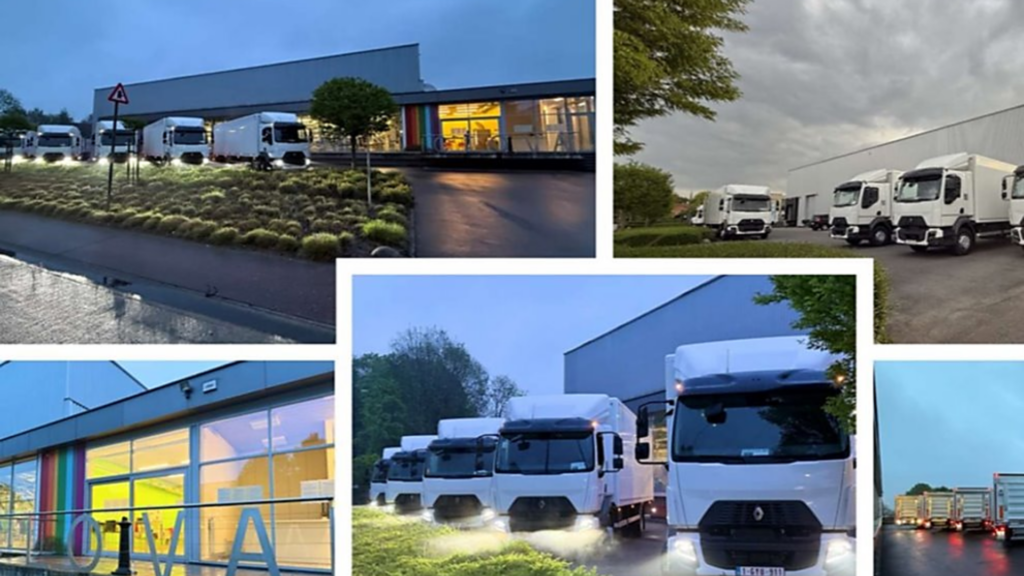
Without insight, no control over the chain
The analysis quickly showed that the problem was not local. What initially appeared to be isolated inefficiencies turned out to be the result of a chain that was nowhere fully visible.
Customer inventories were not transparent, making it difficult to correctly estimate demand.
Production capacity was assumed rather than measured, leading to incorrect assumptions.
This combination made it impossible to truly steer planning. What remained was a way of working that was largely reactive.
“We thought we knew, until we actually started measuring.”
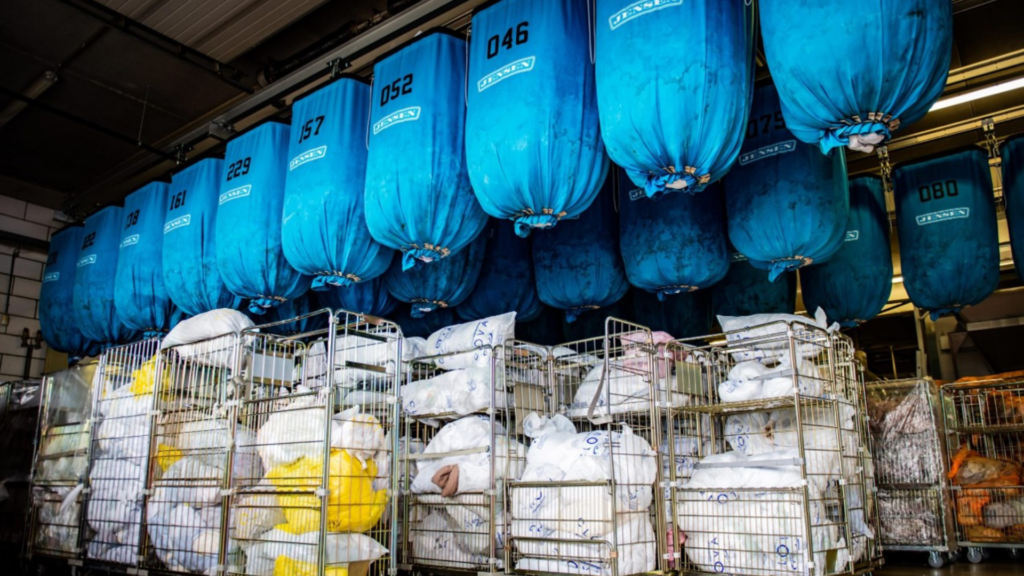
The first step, therefore, was not optimisation, but insight.
Together with valueXstream, the entire chain was analysed, from customer to laundry and transport. Not to implement quick fixes, but to first understand what was really happening.
Production flows were mapped, bottlenecks made visible and OEE structurally measured. At the same time, consumption and variability in inventories were analysed, and transport was examined down to the level of cost per kilometre and per stop.
What was previously fragmented across systems and experience became one coherent view.
From implicit knowledge to a working system
That insight formed the foundation to fundamentally rethink the way of working.
Planning was aligned with real demand and actual capacity. Inventory management became more structured, bringing overstock and shortages under better control. Transport was driven by data instead of habit.
Equally important: the way of working was made explicit.
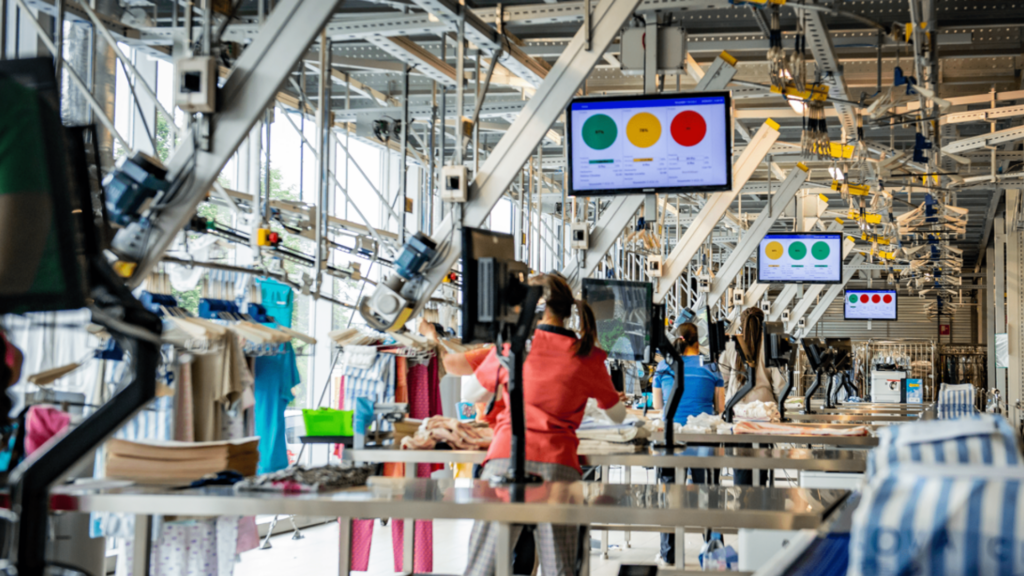
Processes were documented in clear SOPs. Roles and responsibilities were more clearly defined. KPIs became visible, not only for management but also on the shop floor.
The operation became less dependent on individuals and more on a shared system.
The real change: predictability
Where previously the focus was mainly on reacting, control was now established.
By putting data and structure at the centre, the supply chain became predictable. Alignment with customers improved, internal communication became clearer and decisions were better supported.
Results felt across the entire operation
This change quickly translated into concrete impact:
- OEE increased by 10%, bottlenecks improved by 21%
- transport costs decreased by 23%
- delivery reliability and SLAs improved significantly
- no additional investments in inventory were required
- absenteeism decreased from 20% to 7%
Not a single optimisation, but a structural improvement across the entire chain.